Late 19th century
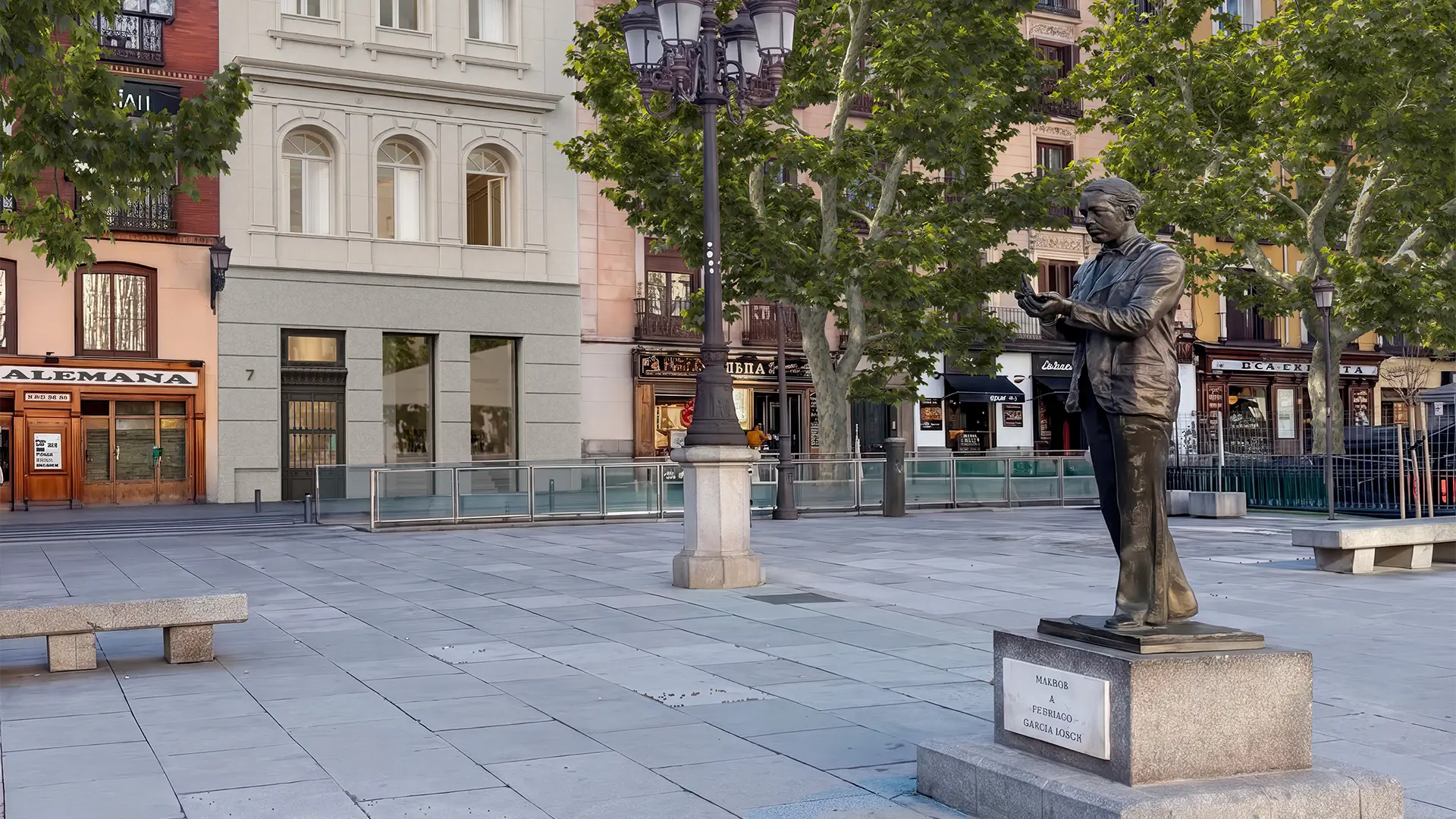
Plaza de Santa Ana emerges as one of Madrid’s leading cultural and social landmarks, shaped by the presence of the Teatro Español, its literary cafés and the vibrant life of the Barrio de las Letars.
Late 19th century

1905 - 1912
Plaza Santa Ana 7 is built and established as a mixed-use residential and commercial property. Its eclectic, neoclassical architecture, fine materials and handcrafted detailing reflect the refined bourgeois elegance of early twentieth-century Madrid.
1905 – 1912

1940 - 1970
The building enters a new chapter closely linked to the arts and the antiques trade, becoming home to businesses specialising in collecting, interior design and the acquisition and sale of exceptional pieces.
1940 – 1970

1970 - 1980
Santa Ana 7 becomes home to one of Madrid’s leading antiques houses, further establishing the building’s distinctive cultural identity and specialist character.
1970 – 1980

Late 20th century
The building evolves alongside Plaza de Santa Ana itself, as the square transforms from a predominantly residential and cultural setting into one of the historic centre’s leading destinations for dining, tourism and entertainment.
Late 20th century
Early 21st century
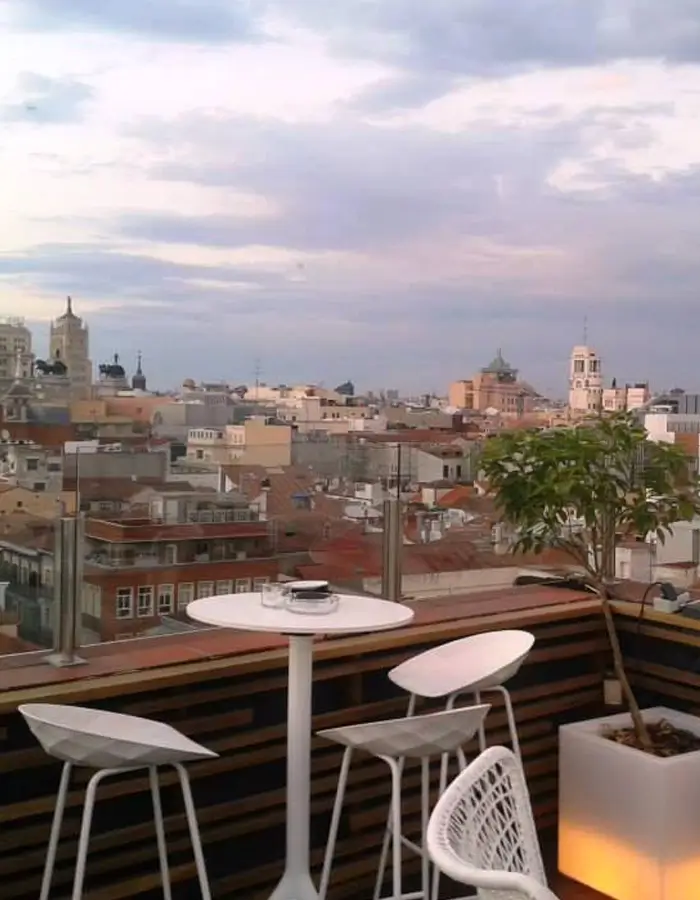
The building becomes home to an exclusive private members’ club devoted to gastronomy, culture and conversation, reinforcing its role as a distinguished social meeting place in the heart of Madrid.
Early 21st century

Actuality
Berzeus is leading a comprehensive transformation of Santa Ana 7 into a collection of luxury residences, while preserving the building’s historic value, architectural identity and rich cultural legacy.
Actuality